Your Guide to Fiberglass Pool Permits and Inspections in Indian River County
Start Your Transformation
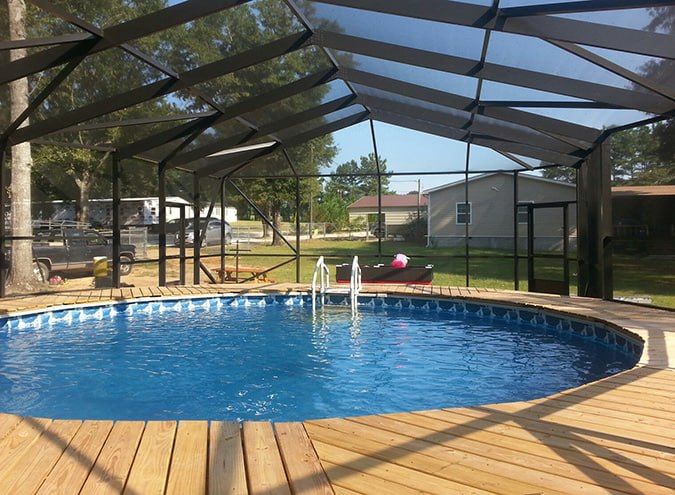
Above ground pool costs, permits, and decking in Vero Beach and Indian River County
Yes — every in-ground fiberglass pool in Vero Beach and the rest of Indian River County requires a permit, and usually more than one: a building/pool permit plus an electrical permit, and the pool must pass a safety-barrier inspection before final approval. Here's the part most homeowners don't realize: a licensed pool contractor pulls every one of those permits in your name and walks the inspections — you do not file paperwork with the county yourself. The permit and inspection process exists to protect you; with the right contractor it's a sequence of scheduled checkpoints, not a maze you navigate alone.
- Do You Even Need a Permit for a Fiberglass Pool?
- Which Permits Indian River County Actually Requires
- Who Pulls the Permit — You or the Contractor?
- The Inspection Milestones, In Order
- Florida's Pool Safety Barrier Law
- Permit & Inspection Checklist
- Why Permit Rigor Is the Whole Point
- Talk to a Licensed Vero Beach Pool Contractor
- FAQs
Do You Even Need a Permit for a Fiberglass Pool?
Short answer: yes. Some homeowners hear "fiberglass" and assume that because the shell drops in as one pre-built piece, it skips the permitting a poured concrete pool needs. It doesn't.
Florida treats any in-ground swimming pool as a permitted structure, regardless of how it's built. The shell still gets set into an engineered excavation, plumbed, wired, and backfilled — all of which the county wants eyes on. A fiberglass build is faster, not exempt.
The reasons every fiberglass pool in Indian River County is permitted come down to a few non-negotiables:
- Structural — the excavation, base, and backfill have to be done right or the shell can shift or float
- Electrical — pool pumps, lights, and bonding are a serious shock hazard if done wrong
- Safety — Florida law requires a pool safety barrier before the pool is signed off
- Setbacks — the pool has to sit a legal distance from property lines, septic, and the home
Skipping the permit isn't a shortcut — it's an unpermitted structure that surfaces the moment you sell the house or file an insurance claim.
Which Permits Indian River County Actually Requires
A fiberglass pool in Vero Beach typically isn't one permit — it's a small stack of related approvals that your contractor bundles together. The exact mix depends on your lot and scope, but the common pieces are predictable.
Here's what a standard fiberglass pool permit package generally includes in Indian River County:
- The pool/building permit — the primary approval covering the structure, excavation, and setbacks
- An electrical permit — for the pump, lighting, and equipment bonding and grounding
- A safety-barrier component — fence, screen enclosure, or code-compliant alarm system, inspected before final
- Possible additional reviews — if you're adding a screen enclosure, deck, or paver decking, those scopes get folded into the same project
We're keeping the specifics qualitative on purpose. Permit fees, exact submittal forms, and review timelines change, and the Indian River County Building Division is the only authority on current numbers. What doesn't change is the principle: your contractor assembles the package; the county reviews and inspects it.
Who Pulls the Permit — You or the Contractor?
This is the single biggest fear we hear from deliberate, do-it-right homeowners — the picture of standing at a county counter with a folder of drawings, not knowing what you're looking at. Let's kill that fear directly.
A licensed Florida pool contractor pulls the permit in their own license and in your name. That means the plans, the engineering, the submittal, and the scheduling of every inspection run through the contractor — not through your weekend.
What that division of labor actually looks like:
- Your contractor handles: plan preparation, engineering, the permit application, fees, scheduling inspections, and meeting the inspector on site
- The county handles: plan review, issuing the permit, sending inspectors, and signing off each milestone
- You handle: choosing the pool, approving the design, and unlocking the gate on inspection day
That's the honest split. A homeowner who hires an unlicensed installer often does get stuck pulling an owner-builder permit themselves — which is exactly the trap the license stack exists to keep you out of. Right Way carries Certified Pool Contractor license CPC1461491 plus specialty screen enclosure licenses SCC131153510 and SCC131153892, with a licensed mason on staff for hardscapes.
Brevard, Indian River & St. Lucie's trusted experts in custom pool construction, screen enclosures, concrete, pavers, and outdoor kitchens.
Call ☎ 772-758-5372 for premium backyard transformations.
The Inspection Milestones, In Order
Inspections aren't a single pass/fail at the end. They're spaced through the build so problems get caught while they're still easy and inexpensive to fix — which is the entire reason the system exists.
While exact milestone names vary, a fiberglass pool build in Indian River County generally moves through a recognizable sequence:
- Layout / setback check — confirming the pool sits where the approved plans say it does
- Pre-plaster / shell-set & plumbing — the excavation, shell placement, and plumbing before backfill closes it up
- Electrical & bonding — verifying the pump, lighting, and the metal bonding grid are wired to code
- Safety barrier inspection — the fence, enclosure, or alarm system that Florida law requires
- Final inspection — the sign-off that makes the pool legal to fill and swim
A fiberglass pool moves through these faster than concrete because the shell arrives pre-built — that's where the first swim in under 30 days timeline comes from. But faster doesn't mean fewer checkpoints. Every milestone still gets walked. If an inspection flags something, the contractor corrects it and re-calls the inspector — that loop is normal, not a red flag.
Florida's Pool Safety Barrier Law
This is the inspection gate that surprises people, so it gets its own section. Florida's Residential Swimming Pool Safety Act requires every new residential pool to have at least one approved safety feature before it passes final inspection. This is non-negotiable statewide, Vero Beach included.
The law generally requires the pool to be protected by one or more approved measures:
- A barrier/fence meeting minimum height and gap specifications around the pool
- A screen enclosure that fully encloses the pool area
- Approved safety covers or door/gate alarms on access points from the home
- Self-closing, self-latching gates where a fence is the chosen barrier
Most of our Treasure Coast homeowners pair the pool with a screen enclosure anyway — it satisfies the barrier requirement, keeps Florida bugs out, and is its own line item worth doing right with stainless steel hardware. The key point: the inspector will not sign your final until an approved safety barrier is in place. A contractor who plans the barrier into the project from day one means this never becomes a surprise that strands your pool unusable.
📌 Fiberglass Pool Permit & Inspection Checklist
- ✅ Pool/building permit — pulled by your licensed contractor, not you
- ✅ Electrical permit — pump, lighting, and bonding to code
- ✅ Setback/layout inspection — pool legally placed on the lot
- ✅ Shell-set & plumbing inspection — before backfill closes it up
- ✅ Electrical & bonding inspection — shock-hazard sign-off
- ✅ Safety barrier inspection — fence, enclosure, or alarm per Florida's Residential Swimming Pool Safety Act
- ✅ Final inspection — the only sign-off that makes the pool legal to swim
- ✅ You never file with the county yourself when you hire a licensed pool contractor
Why Permit Rigor Is the Whole Point
Here's the truth a lot of contractors won't say out loud: the permit and inspection process is the homeowner's protection, not the contractor's burden. A contractor who treats permitting as an obstacle to dodge is telling you exactly how they'll treat your pool.
Fiberglass pools in Indian River County start around $55,000, and that's not a number you want riding on unpermitted, uninspected work. An unpermitted pool can fail to appraise, complicate a home sale, and void insurance coverage when it matters most.
What permit rigor actually buys you:
- A clean record — the pool is a legal, documented structure when you sell
- Insurance standing — claims aren't denied for unpermitted work
- Code-correct electrical — the bonding grid that keeps a pool from becoming an electrical hazard
- A second set of eyes — county inspectors catch what a rushed crew might bury under backfill
Financing is available through Lyon Financial and Foundation Finance Company for qualified homeowners — worth knowing before sticker shock sends a good buyer running.
Talk to a Licensed Vero Beach Pool Contractor
You shouldn't have to become an expert in the Indian River County building code to put a pool in your own property. That's the contractor's job — pulling the permits, scheduling the inspections, and standing on your site when the inspector arrives. One team owns the pool, the deck, and the enclosure under one contract, so the safety barrier and the pool aren't two contractors pointing at each other.
Right Way pulls every permit and builds to code across Vero Beach, Sebastian, and the Treasure Coast — Certified Pool Contractor CPC1461491, in-house crews, stainless steel hardware standard.
Call (772) 758-5372 or schedule a consultation at rightwayenclosures.com. One team. One design. One timeline.
Frequently Asked Questions
Q1: Do I need a permit for a fiberglass pool in Florida?
A1: Yes. Florida treats every in-ground pool as a permitted structure regardless of construction type, so a fiberglass shell needs a building/pool permit and an electrical permit just like a concrete pool. A licensed pool contractor pulls these in your name — you don't file with Indian River County yourself.
Q2: How long do fiberglass pool inspections take in Indian River County?
A2: Inspections themselves are quick on-site visits, but they're spaced through the build — layout, shell-set and plumbing, electrical and bonding, safety barrier, and final. A fiberglass pool clears the sequence faster than concrete because the shell is pre-built, supporting a first swim in under 30 days, but every milestone is still walked.
Q3: What is the Florida pool safety barrier requirement for Vero Beach?
A3: Florida's Residential Swimming Pool Safety Act requires every new residential pool to have at least one approved safety feature — a code-height fence, a full screen enclosure, approved gate or door alarms, or an approved safety cover — before it passes final inspection. The county inspector will not sign off a pool in Vero Beach without one in place.
Brevard, Indian River & St. Lucie's trusted experts in custom pool construction, screen enclosures, concrete, pavers, and outdoor kitchens.
Call ☎ 772-758-5372 for premium backyard transformations.
Related services: Custom Pool Construction · Screen Enclosures · Pavers & Hardscapes
Related reading: How to Verify a Florida Pool Contractor License · The Hidden Cost of Multi-Contractor Pools