Sealing Your Travertine Pavers vs. Concrete Pavers: What’s the Difference?
Start Your Transformation
Sealing Your Travertine Pavers vs. Concrete Pavers: What’s the Difference?
Protecting Your Unique Paver Investment
Both travertine and concrete pavers are excellent choices for patios, walkways, and pool decks. To keep them looking great, applying a sealer is an important step. While both materials benefit from sealing, they are very different from each other. Understanding these differences helps you choose the right type of sealer to protect your specific paver surface.
Sealing Concrete Pavers for Color and Stain Protection
Concrete pavers get their color from pigments added during manufacturing. The main goals of sealing them are to protect this color from UV fading and to block stains from oil or dirt. Sealers for concrete pavers are often acrylic, film-forming products. They create a protective layer on top that can also enhance the paver’s color, giving it a rich, wet look.
Sealing Travertine for Natural Beauty
Travertine is a natural stone with colors and patterns created by nature. It is naturally porous, which makes it susceptible to stains from things like dirt, leaves, and grease. The goal of sealing travertine is to protect it from these stains without changing its natural appearance. A sealer helps keep the stone clean and makes it easier to maintain its timeless beauty.
Brevard, Indian River & St. Lucie's trusted screen enclosure, concrete, paver and outdoor kitchen experts! Call now for fast, affordable new screen enclosure, concrete, paver and outdoor kitchen installation.
Call us at ☎ 772-758-5372
Choosing the Right Sealer: Penetrating vs. Film-Forming
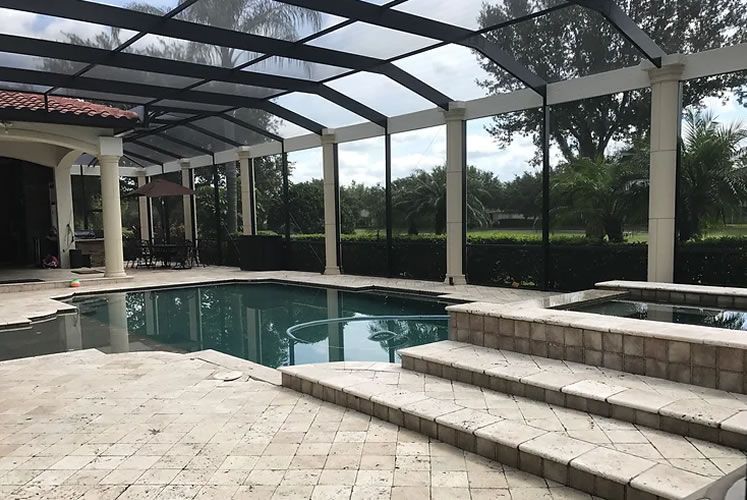
For porous travertine, a penetrating sealer is the best choice. These sealers soak into the stone and protect it from within, blocking stains without creating a glossy film on the surface. This preserves travertine's natural, matte finish. For concrete pavers, film-forming sealers are excellent because they provide great stain protection and color enhancement. The experts at Right Way can help you select the perfect product.
The Correct Application Process for Both
No matter which type of paver you have, proper surface preparation is the key to a successful sealing job. The pavers must be completely clean, free of any dirt or mildew, and totally dry before the sealer is applied. Applying sealer to a damp or dirty surface will trap moisture and dirt, leading to a cloudy finish and poor performance.
Expert Sealing for Any Paver Surface
Knowing which sealer to use for your specific pavers is essential for a beautiful and lasting result. Our team has the knowledge to identify the correct product and apply it professionally for both concrete and travertine surfaces. Contact Right Way today for a free consultation and quote on your paver sealing project in Indian River County.
Frequently Asked Questions
Will sealing my travertine pavers make them slippery?
Not if the correct sealer is used. A quality penetrating sealer protects the stone from within and does not create a slippery film on the surface. This maintains the natural texture and slip-resistance of the travertine, making it safe for pool decks.
How often should I seal my travertine pavers?
Travertine pavers in high-traffic or full-sun areas typically need to be resealed every 3 to 5 years. This restores their protection against stains and keeps them looking their best.
Can I use a concrete paver sealer on my travertine?
It is not recommended. Many sealers for concrete pavers are film-forming and can create a glossy, plastic-like sheen on travertine that looks unnatural. It is always best to use a high-quality penetrating sealer designed specifically for natural stone like travertine.
Brevard, Indian River & St. Lucie's trusted screen enclosure, concrete, paver and outdoor kitchen experts! Call now for fast, affordable new screen enclosure, concrete, paver and outdoor kitchen installation.
Call us at ☎ 772-758-5372